Digital Operating Systems for Food and Beverage Manufacturing
Stop drowning in binders, chasing signatures, and scrambling before every audit. We build digital operating systems for food and beverage manufacturers that keep your daily verifications, quality checks, sanitation records, and audit documentation running on their own. Your team follows the system, the records build themselves, and you walk into any audit already ready.
Digital Operating Systems for Food and Beverage Manufacturing
Most food and beverage brands do the work correctly. What they cannot do is prove it on demand. The checks happen, the sanitation gets done, the team is trained, but the record lives in binders, inboxes, and one person’s memory. So when an auditor walks in, a co-packer relationship goes sideways, or a key employee leaves, the operation scrambles to reconstruct what everyone already knew.
We close that gap by building a digital operating system that runs your facility from the floor up. Every production run, sanitation cycle, quality check, verification, and training record is captured live, in role-based apps, feeding one source of truth that stays audit-ready every day. The work and the documentation become the same action, so the record builds itself.
Food and Beverage Audit Readiness and Verification Systems
The weekly and monthly verifications, PCQI reviews, and sign-offs that prove the right person confirmed the right thing at the right time. Instead of assembling evidence the week before an audit, your evidence assembles itself continuously, so you are ready on any given day without a scramble.
Quality Control and CCP Monitoring on the Production Floor
Receiving, metal detection, water activity, water bath testing, sensory and ingredient evaluation, production numbers, and downtime, all logged at the point of work. Every check becomes a record the instant it is entered, with no transcribing and no end-of-week binder assembly.
Sanitation and Pre-Op Verification Systems
Weekly, monthly, pre-op, post-op, closing, and allergen changeover routines, each tied to a specific line or area. Sanitation stops being a question of whether someone did it and becomes a timestamped, verifiable record.
Food Safety Training and Competency Tracking
Role-specific quizzes covering allergens, GMP, foreign material, chemical safety, and food defense, plus acknowledgments and completion tracking. You can prove at any moment that the right people were trained on the right things.
ERP Implementation and Custom Operational Reporting
ERP selection and implementation, plus custom reporting that turns everything captured on the floor into the metrics leadership actually uses. This is where the system stops being record-keeping and becomes management, all running on the SnacktevaOS digital QMS.
Why These Food Manufacturing Operational Systems Matter
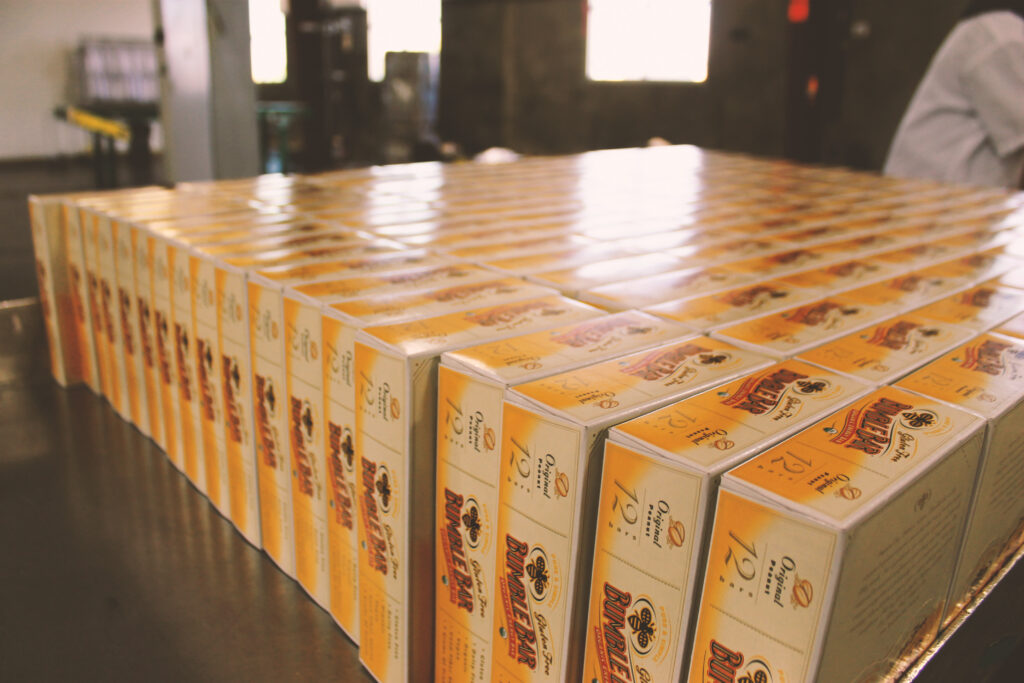
Most scaling food brands hit the same wall. In particular, they grow past the point where verbal instructions and scattered documents can keep production consistent. As a result, quality issues increase, audits become stressful, and onboarding new staff takes too long. Furthermore, compliance with FSMA regulations demands documented systems that prove your processes are under control. Our food manufacturing operational systems solve these problems by turning tribal knowledge into structured, searchable, searchable digital tools your entire team can use. Moreover, because every system we build is designed for food industry workflows, you get operational infrastructure that fits how your facility actually runs rather than generic business software forced into a food safety context.
Food Manufacturing Operational Systems: FAQ
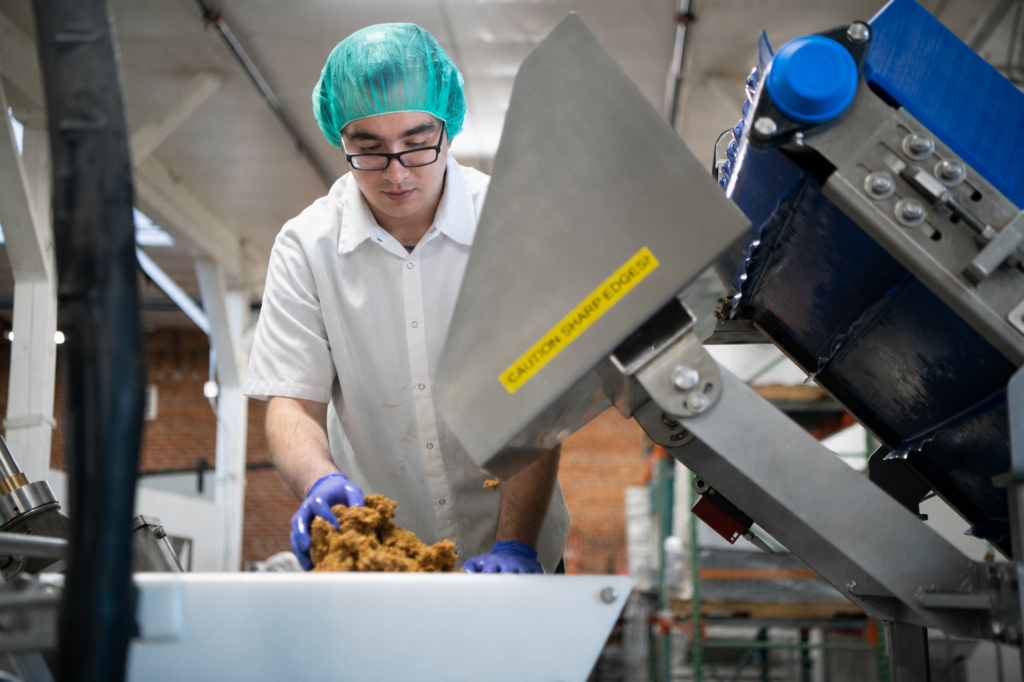
They are the documented, repeatable structures that let a food brand run consistently without depending on any one person’s memory. In practice that means SOP libraries, production workflow tools, vendor accountability frameworks, and a central knowledge backbone, all built around how a food facility actually operates rather than generic business software.
Usually right around the point where verbal instructions and scattered documents stop keeping production consistent. If onboarding is slow, quality issues are creeping up, or audits feel like a scramble, those are the signals that tribal knowledge has outgrown what people can hold in their heads.
Yes. The workflow and vendor accountability tools are built for both environments. For co-packed brands, the emphasis shifts toward defined KPIs, performance tracking, and documentation that keeps your co-packer relationship measurable instead of trust-based.
Generic tools are built for generic work. Everything we install is designed for food industry workflows and food safety context, so it fits FSMA expectations and production realities out of the box instead of being bent to fit after the fact.
With a 20-minute call and a walk through how your records are kept today. We need to understand how your floor actually runs before building anything. If you want a quick read first, the free ten-question self-assessment takes a few minutes.
Start With a Conversation About Your Floor
Every systems build starts with a 20-minute call and a look at how your records are kept today. We need to understand your current state before we can build what comes next. Want a quick read first? Score your operation in ten questions.