Compliance & Audit Readiness
Audit-Ready Is Not a State You Reach. It Is a System You Build.
A buyer wants SQF before the next order, or an audit is on the calendar. We build audit readiness into how your operation already runs: FSMA, GMP, SQF, and BRC readiness, SOPs and training that operators actually follow, and quality systems that hold up when someone walks the floor. Built by two SQF Practitioners and PCQIs who ran an SQF-certified plant together, not assembled from a template. Need someone to own it every month? See our Fractional QFSM.
The Problem With Most Food Safety Compliance Programs
Most food brands treat compliance as an event rather than a system. Audit preparation becomes a scramble, documentation is scattered, and the result is unnecessary risk. A reactive approach to food safety compliance creates ongoing liability and puts your certifications at risk. The brands that scale successfully treat compliance as operational infrastructure, not an annual checklist. Under the FDA Food Safety Modernization Act (FSMA), preventive controls are now required, making proactive food safety compliance more critical than ever.
Records That Build Themselves
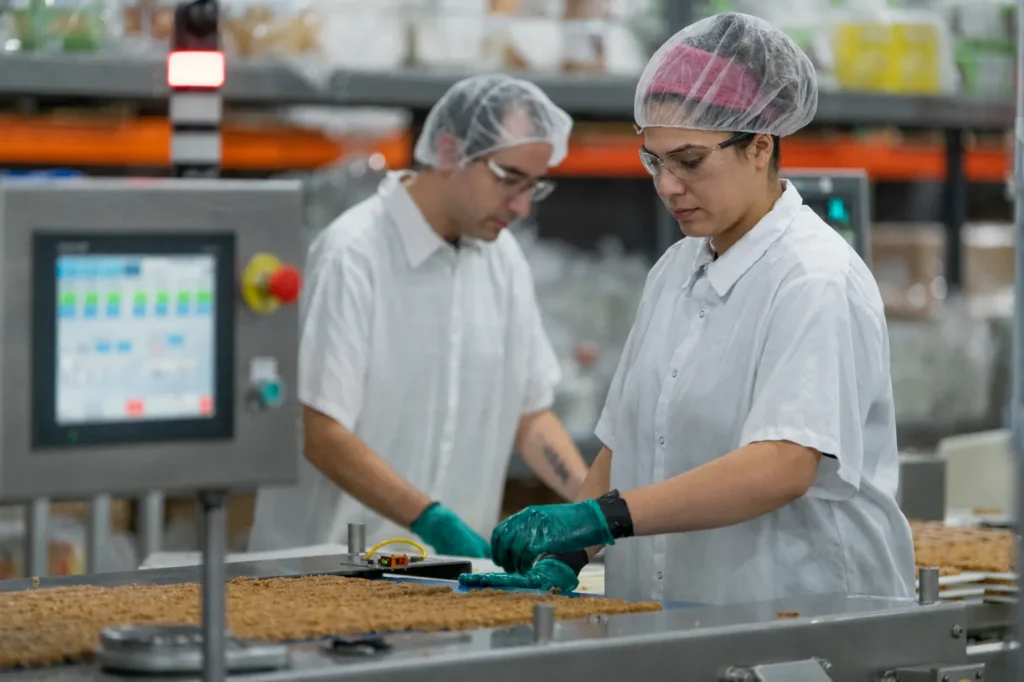
Daily verifications, sanitation, and quality checks captured at point of use on tablets, so the record exists the moment the work happens. No binder-building before audits. Built on tools you already run, and inside SnacktevaOS where a full digital QMS is the right answer.
HACCP and Food Safety Programs
Custom HACCP plans, prerequisite programs, and food safety management systems built for your specific operations, products, and manufacturing environment. Every program is designed to meet SQF compliance standards and third-party audit requirements from day one.
Certification Readiness
End-to-end preparation for SQF, Organic, Kosher, Non-GMO, and GMP certifications. We build the systems so audits become routine, not stressful. From gap assessments to mock audits, we prepare your team for full certification with confidence.
What Food Safety Audit Readiness Actually Involves
Real food safety audit readiness is not a binder you assemble the week before an SQF or FSMA audit. It is a set of living systems that stay current on their own, so that on any given day your brand can demonstrate compliance without a scramble. In practice, that means five things are always in place:
- Current, centralized documentation. Every SOP, HACCP plan, and record is version-controlled and findable in seconds, not scattered across inboxes and spreadsheets.
- Preventive controls that actually run. Under FSMA, hazard analysis and preventive controls have to be active and monitored, not written once and forgotten.
- A verification and monitoring rhythm. Checks, logs, and corrective actions happen on schedule and are recorded as they occur, so the audit trail builds itself.
- Certification-specific gap coverage. SQF, BRC, GMP, Organic, and Kosher each ask for different evidence; audit readiness means knowing those gaps are closed before an auditor finds them.
- A team that knows the system. Readiness lives in trained people and repeatable processes, not in one person’s memory.
When these five are true, audit readiness stops being an annual emergency and becomes a byproduct of how you already operate. That is the system we install.
Food Safety Audit Readiness: FAQ
It means that on any given day, without special preparation, your brand can demonstrate compliance. Readiness is a set of living systems that stay current on their own, not a binder you assemble the week before an SQF or FSMA audit.
SQF, BRC, GMP, Organic, Kosher, and Non-GMO. Each asks for different evidence, so readiness means knowing those certification-specific gaps are closed before an auditor finds them.
It depends on your starting point and target certification, which is exactly what a gap assessment establishes. The goal is not a one-time sprint but systems that keep documentation and preventive controls current continuously, so audits become routine rather than stressful.
Under the FDA Food Safety Modernization Act, preventive controls must be active and monitored, not written once and forgotten. The common gap is treating compliance as an annual event instead of an operating rhythm where checks and corrective actions are recorded as they happen.
A gap assessment against the standard you are targeting, done on the floor and in the records rather than from a questionnaire. It produces a prioritized list of what has to be true before the auditor arrives. Bring your audit date to a 20-minute call and we will tell you whether the timeline is realistic.
Related Systems We Build
Audit readiness is one of four ways engagements begin. It pairs with co-packer placement and first-run support, fractional operations, and the SnacktevaOS digital QMS that keeps every verification and record in one place.
Stop Scrambling. Start Building.
Whether you are preparing for your first SQF audit, a customer audit, or an FDA visit, we build systems that hold up under scrutiny. Bring the audit date to a 20-minute call. You will leave knowing where you stand and whether the timeline is realistic.
Need someone to own your program month to month? See our Fractional QA & Food Safety Manager service →