Formulation & Commercialization
Formulas built for the shelf and the line.
New products from scratch, line extensions for growing brands, and scale-up and rescue work when a formula won’t behave. Development-house expertise without development-house overhead, from a bench that has worked with more than 150 brands. Led by Liz Ward, whose formulation credits include Full Turn Nutrition and Verb Bar, and who has worked for Pepsi, Dole, Dean & DeLuca, and many more.
Liz Ward · Co-founder of BumbleBar · Former Head of R&D, CleanCopack
Glenn Ward · Certified SQF Practitioner & PCQI · On the floor for pilot and first run
Bring the concept, the sample, or the problem.
What We Formulate
From a blank page to a growing portfolio.
A large share of our work has always been formulating for other people: new brands starting from a concept, and established brands adding to what already sells. The same bench also fixes formulas that fight the line.
From a blank page.
You have a concept, a customer, and the funding to launch. We take it from a target spec to a commercial-ready formula: ingredient sourcing, nutrition and claims, cost-of-goods targets, shelf life, and a finished-goods spec a co-packer can run. Then we help place it with a plant we already know and stand on the floor for the first run.
The next SKU in the line.
Your brand is working and the portfolio needs to grow: a new flavor, a new format, a protein or clean-label line. We build extensions that match your brand’s eating experience and run on your current co-packer’s equipment, so the new item launches without a second bad trial.
The formula that won’t behave.
The pilot doesn’t match the sample, an ingredient was discontinued, or the functional ingredient tastes like one. We rework the formula for the line it actually runs on. More on fixes and scale-up ↓
The Alternative
Why not a big product development house?
Large culinary development houses and product agencies do good work, and they price it to cover test kitchens, account teams, and overhead. For a funded startup, that often means a development budget that competes with the first production run for the same dollars.
With Snackteva you work directly with the people doing the work: Liz on the bench, Glenn on the plant floor. You get the same staged process, from concept and bench rounds to scale-up and documentation, without paying for the overhead of a large firm. And because we also place products with co-packers and run first runs, the formula is written for the plant that will make it, not handed off at the kitchen door.
When a Formula Fights Back
Four ways a formula becomes an operations problem.
Formula shapes how a product is made, what it costs, and whether the plant will take it. These are the four conversations that open most of our formulation work.
It was great in the kitchen.
The pilot doesn’t match the sample. Texture is off, color drifts by the third batch, the slab won’t cut clean, or the bar won’t hold in the wrapper. The recipe wasn’t wrong; it was written for a mixer, not a line. We rework the formula for the equipment it will actually run on.
The best-seller has to change.
A new co-packer, a discontinued ingredient, a cost target, a protein or clean-label claim. The formula has to move without the customer noticing. Reformulation with the current product as the spec, matched side by side, not from memory.
The functional ingredient tastes like one.
Collagen, plant protein, botanicals, adaptogens, caffeine: bitter, metallic, sour, or chalky, and the clean-label constraint rules out the easy masks. We diagnose which off-note is actually the problem before we cover it. That is how the Prostasis bar got solved after two other benches couldn’t.
Shelf life is still an open question.
Water activity, moisture migration, oxidation, and the gap between a lab result and a product that still tastes right at month six. We build the formula and the finished-goods spec around the shelf-life target, and choose the testing that proves it.
In the client’s words
Prostasis brought Liz in after earlier formulators couldn’t mask the bitter, metallic and sour notes of a functional ingredient blend. She delivered a clean-label bar that tasted right.
“Working with you was a great experience. You approached challenges with an open mind and a strategic mindset, quickly identifying key issues and developing thoughtful solutions. Your expertise in food, particularly in bars, combined with your adaptability and commitment to natural ingredients, makes you a fantastic partner for any project. I would be delighted to work with you again.”
Peter Leighton · Prostasis · Read the case study
How It Works
One fixed price per product. The sample is the decision.
Every product is different: the format, the claims, the plant and the cost target all change the work. So we quote formulation as one fixed price per product, after a 20-minute call, once we know what you’re making and where it will run. The quote covers the brief, the bench rounds and the production-ready spec, so you know the full cost before we start. You taste every round before the next one begins.
01
The brief
Target spec, nutrition targets and claims, cost-of-goods ceiling, allergen constraints, packaging, and the plant’s equipment. A depositor, a cold-form slab line, an extruder, and an oven each want a different formula. No plant yet? The brief is written so any facility we place with can run it.
02
Bench rounds
Each round is a formulation, samples shipped to you, structured feedback, and a revision. Sensory, texture, and process notes travel with every sample, so the changes between rounds are deliberate, not drift.
03
Scale-up
Batch scaling, process parameters, ingredient specs and approved suppliers, and a finished-goods spec with tolerances the plant can be held to. Then the pilot run on the plant’s equipment with a certified SQF practitioner and PCQI on the floor, because the first run is where a formula proves it.
04
The paper
Nutrition facts, allergen and ingredient statements, spec sheets, and supplier documentation, ready before a buyer asks. Claims and labels go to an outside regulatory reviewer for final sign-off. You own all of it: the formula, the spec, and the supplier list.
A Fair Question
Doesn’t the co-packer do this for free?
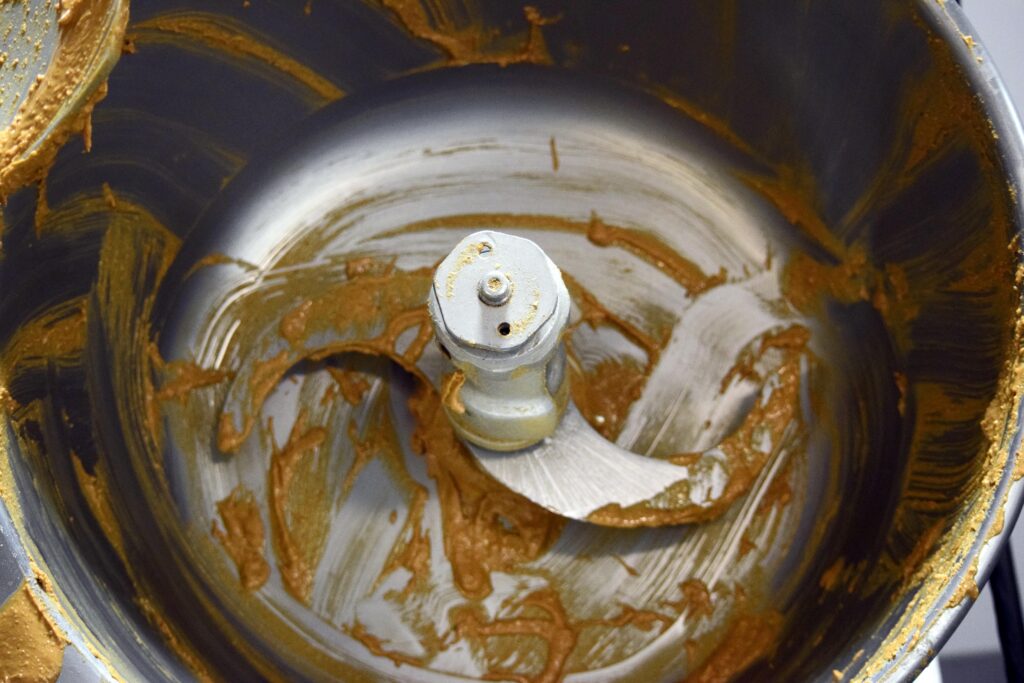
Sometimes, and it’s worth understanding what free means. A plant’s R&D team is good at making a product run on that plant’s line, with that plant’s ingredients, at that plant’s margin. That is their job, and it’s a legitimate one. It is not the same as a formula written for your product, on your spec, that you own and can take to a second facility when the first one raises tolling or runs out of capacity.
We haven’t owned a plant since 2023. We work for the brand, we’re paid by the brand, and the formula leaves with you.
The Bench
The formulator has run the plant.
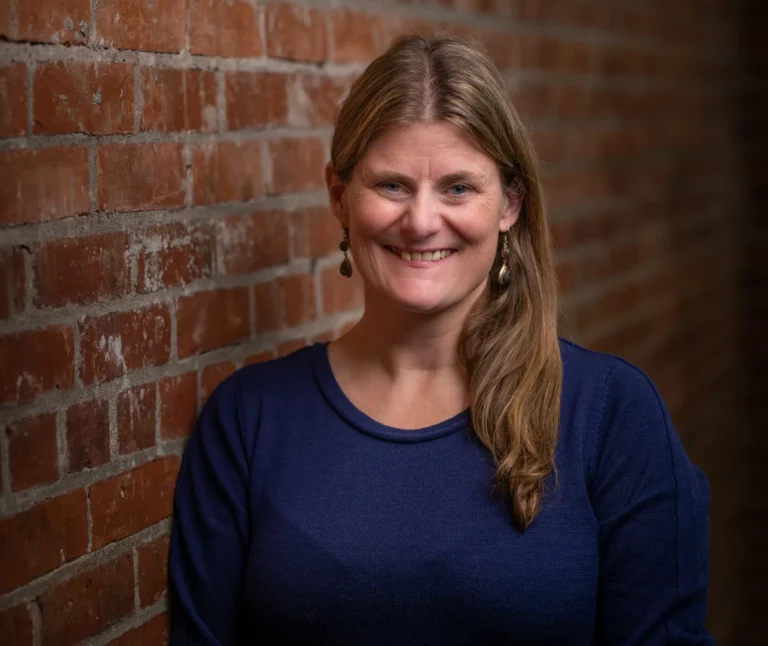
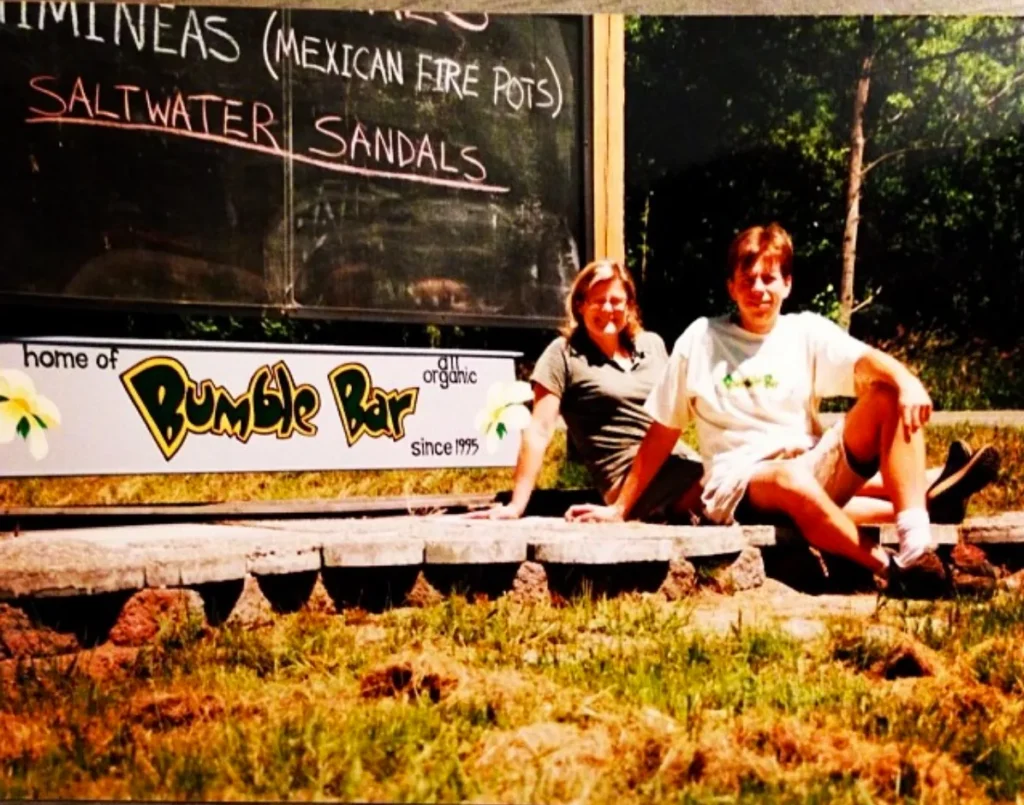
Liz Ward started BumbleBar in a rented commercial kitchen on Vashon Island in 1995: the first certified organic, gluten-free snack bar in the United States. She scaled it through co-packers, brought it in-house for five years, then the two of us built and ran Clean Copack, our own 36,000-square-foot SQF-certified co-packing plant, where she was Head of R&D. Through that plant and the consulting work since, she has worked with more than 150 brands. Her formulation credits include Full Turn Nutrition and Verb Bar, and she has worked for Pepsi, Dole, Dean & DeLuca, and many more.
Most formulators have never run the line their formula ends up on. Liz has run the line and owned the plant, so formulas here are written for the equipment, the lot-to-lot variability of real ingredients, and the operator on second shift, not just the bench.
Formulation Work
Two formulas other benches couldn’t finish.
The off-flavors nobody else could mask
Prostasis · functional nutrition bar. A complex functional blend threw bitter, metallic, and sour notes that two formulation teams couldn’t tame under a clean-label constraint. Tasting work showed the off-notes hit early and didn’t linger, which changed the strategy: palate coating, natural bitter blockers, and a base formulation built to support the mask. Result: a consumer-ready, clean-label bar.
100 mg of caffeine in 100 calories
Functional energy bar. A previous formulator had called the spec impossible: caffeine’s bitterness usually hides behind sugar, fat, and binders, and the calorie budget didn’t allow them. We redesigned the base so the bitterness had less to fight against, chose a cleaner-tasting caffeine source, and rebuilt the sweetener system. Result: a validated prototype at 100 mg and 100 calories or less, with production documentation ready for the co-packer. Second formulator to try it, first to solve it.
“I had been dreaming about this protein bar for months, but it finally felt real when I held that first great-tasting sample in my hands. Liz guided me through the entire process with patience, clarity, and deep expertise.”
Founder · Early-Stage Bar Brand
Who This Is For
If this describes you, let’s talk.
✓ You’re a funded startup with a concept and a customer in mind, and you want a commercial-ready formula without paying for a large firm’s overhead.
✓ You’re an established brand adding a SKU, flavor, or line extension and want it manufacturable on day one, not after the second bad trial.
✓ You have a product in market or at pilot, and the formula has to change: a new plant, a discontinued ingredient, a cost target, a claim, or a run that doesn’t match the sample.
✓ You’re a clinical, pharma, or supplement company putting an active ingredient into a food format for the first time.
Before the first round.
The strongest from-scratch projects start with a customer you can describe, a target retail price, and a plan to fund the first run, which for a bar or snack typically means $80,000 to $150,000 all-in. If a piece is missing, we’ll say so on the call and help you line it up before you spend on development. Get the free first-run budget worksheet. Not sure the numbers work yet? Start with a $2,500 Feasibility Study: ten business days to a Go, Go with changes, or Not yet.
Before You Ask
Straight answers.
Do you develop new products from scratch, or only fix existing ones?
Yes, and it’s a large share of our work. We take funded startups from concept to a commercial-ready formula, and we build line extensions for established brands. We also do reformulation and scale-up when an existing formula won’t behave. Either way, the formula is written for the line it will run on.
Who owns the formula?
You do. The formula, the finished-goods spec, the ingredient specs, and the approved supplier list are yours, documented so a second facility could run them. We don’t hold formulas and we don’t take a royalty.
How is formulation priced?
As one fixed price per product, quoted after a 20-minute call once we know the format, the claims and the plant it will run on. The quote covers the brief, the bench rounds and the production-ready spec, so you know the full cost before we start. Added flavors on the same base are quoted at a lower price.
Can you work with the co-packer we already have?
Yes, and it is often the fastest route. We formulate for the equipment they have, write the spec in the form their QA team can hold a batch to, and stand on the floor for the trial. If the plant’s constraints turn out to be the real problem, we’ll tell you that too.
What categories do you formulate in?
Bars are home turf, cold-formed or baked. Granola, clusters, and other shelf-stable snacks are regular work. Refrigerated, frozen, and beverage: ask on the call, and we’ll tell you straight whether we’re the right bench or point you to someone who is.
Do you handle nutrition facts, labels, and claims?
Yes. Nutrition facts panels, allergen and ingredient statements, and a formula written to support the claims you want. Final claim and label sign-off goes to an outside regulatory reviewer we can refer you to. Certifications you’re pursuing (organic, gluten-free, non-GMO, kosher) are mapped into the ingredient specs from the start, so they don’t turn into a reformulation later.
Who does the work?
Liz leads every formulation engagement personally. Glenn covers the plant side: process parameters, the manufacturing control plan, and the pilot and first run.
Start Here
Bring the concept, the sample, or the problem.
Twenty minutes. Tell us what you want to make, or what’s wrong with what you’re making. You’ll leave knowing what it would take, what it would cost, and what to do next.
Already have a co-packer and it isn’t working? Start here. Everything else we do is on What We Do.
Rather write than call?
Tell us what you’re making. Glenn or Liz will reply within two business days.