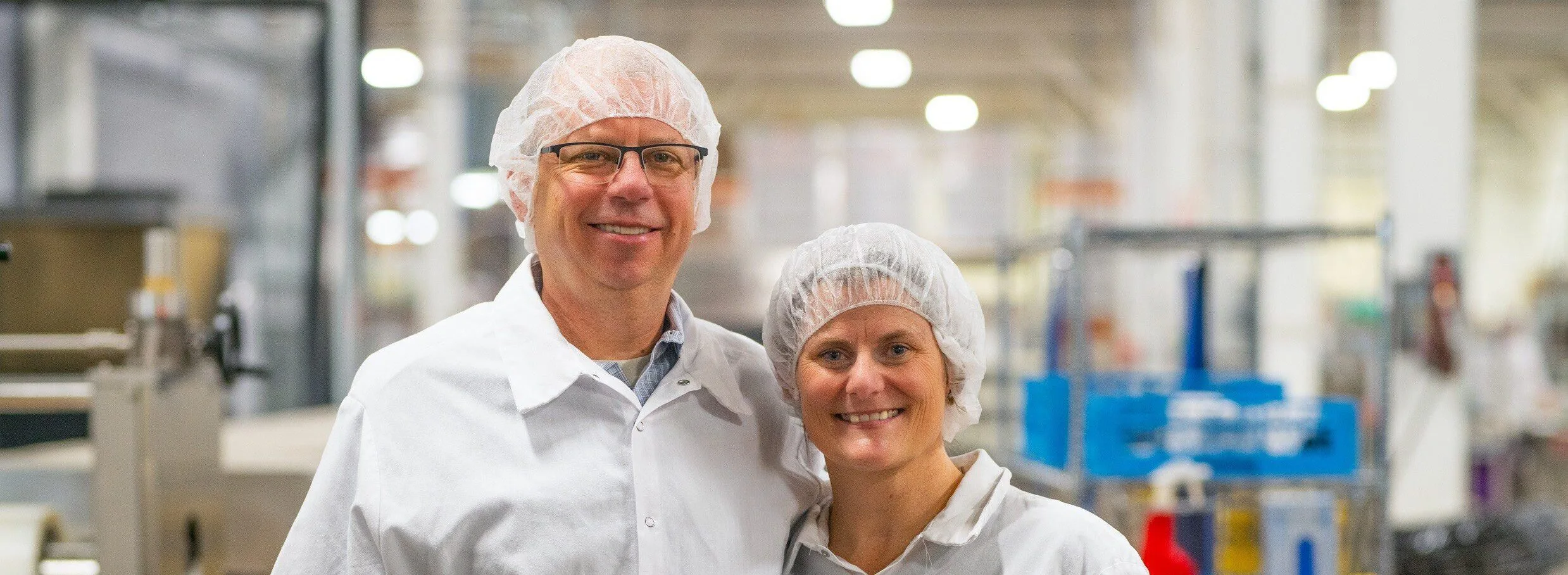
Better-for-you snacks are harder to make. Let’s get yours right from the start.
Snack formulation, co-packer placement, and plant operations for clean-label brands and the plants that make them.
Which sounds like you?
What our clients pulled off.
“Your expertise in food, particularly in bars, combined with your adaptability and commitment to natural ingredients, makes you a fantastic partner for any project. I would be delighted to work with you again.”
“Glenn stepped in with the kind of experience and clarity that immediately brought direction and calm. … Thanks to his guidance, Good Cravings found its footing again — production is running, fulfillment is smooth, and I finally have the space to focus on growth.”
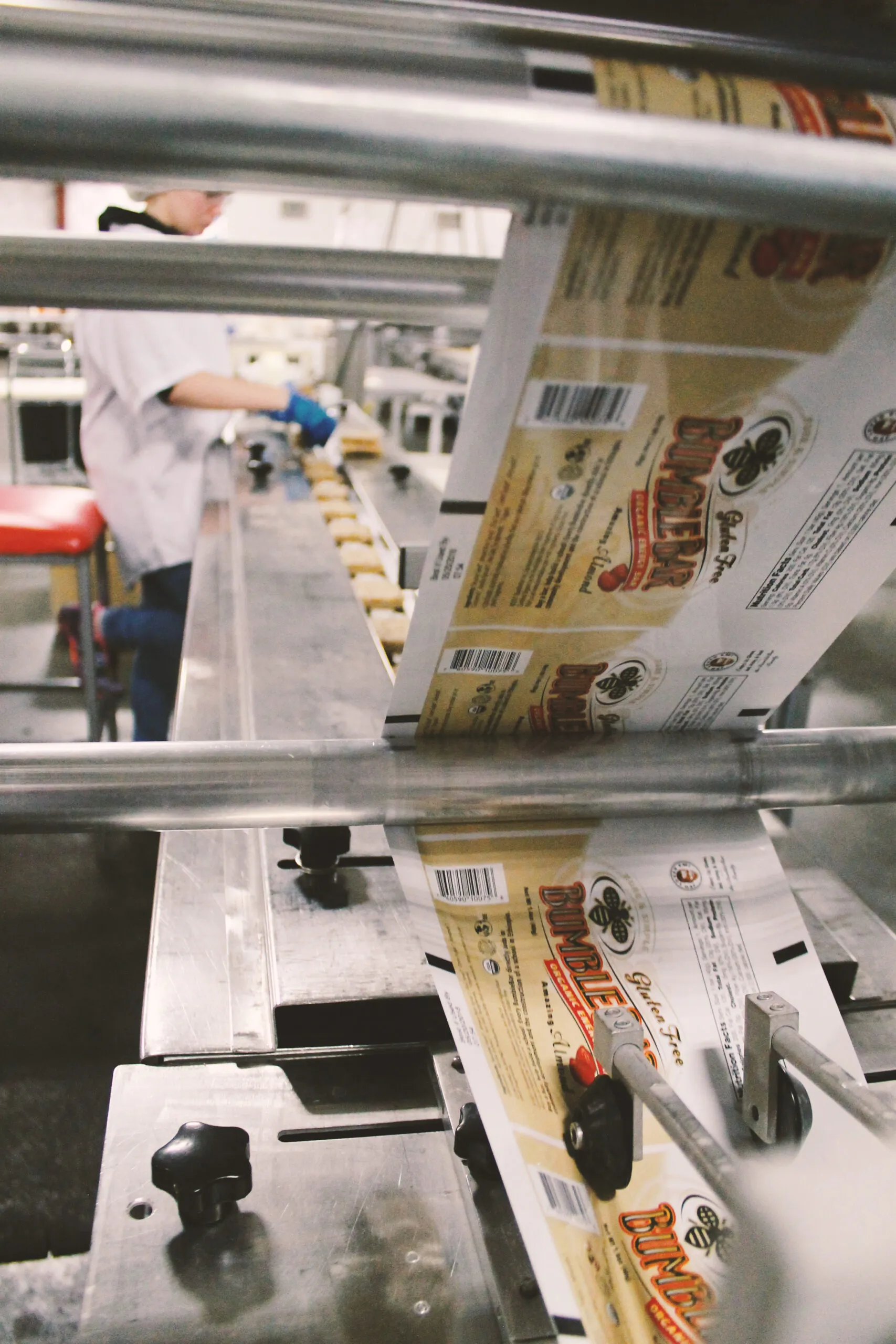
The cleaner the label, the less room for error.
We’ve sat in your seat.
Founder, plant, co-packer. Our own money on the line every time. Two senior operators, a plant team’s standards behind us, and 150+ brands that trusted us with their products.
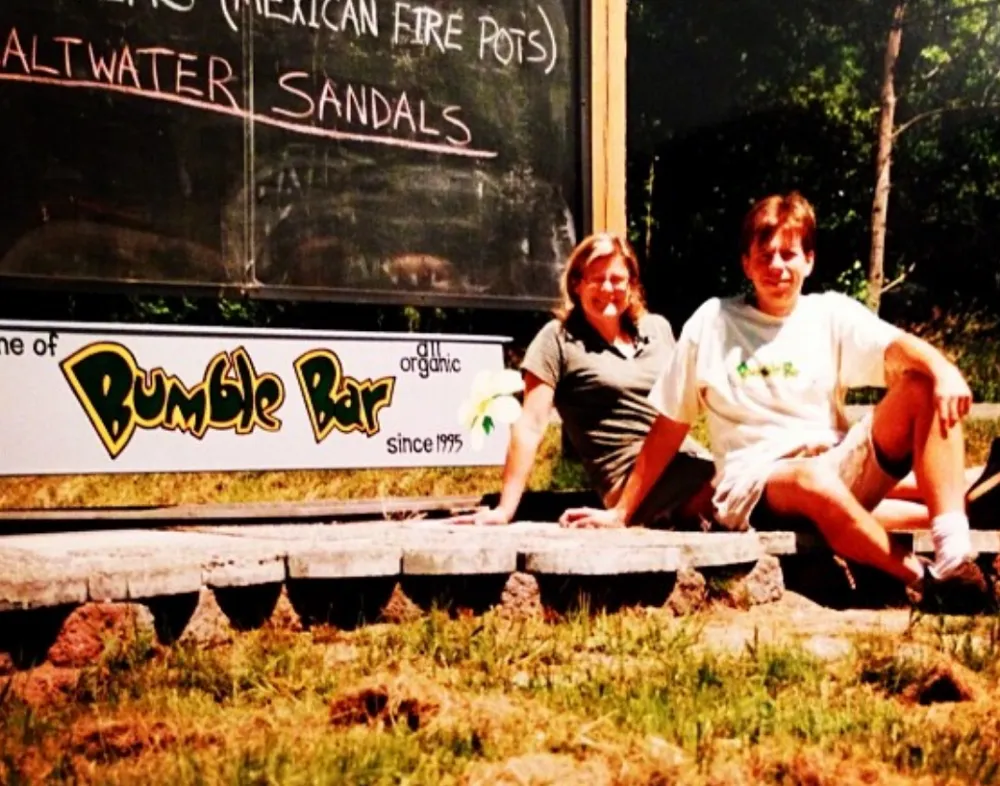
BumbleBar: one of the first certified organic bars in the U.S., grown to a top 20 brand.
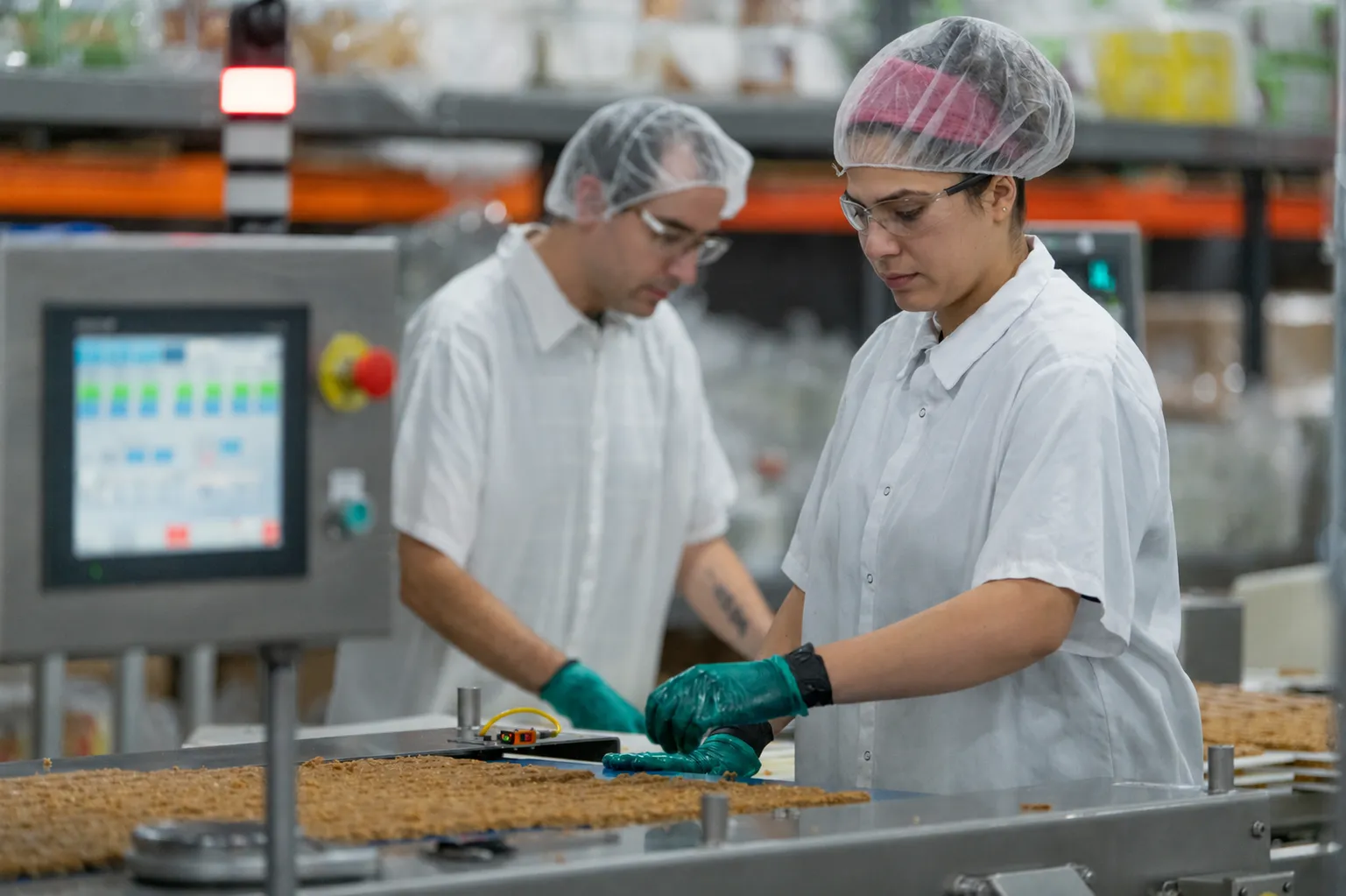
Built and ran Clean Copack, our own 36,000 ft² SQF-certified co-packing plant.
We know what plants need before they say yes.
Straight answers.
Can’t I just use AI for this?
We use AI every day. It drafts specs, builds SOP libraries, preps audits and turns procedures into training in your team’s languages, and that keeps your cost down. What it can’t do is tell you why your bar crumbles at line speed, get a plant to call you back, or stand on the floor for your first run. That’s why you get both. See the systems we build →
Do the co-packers you recommend pay you?
No. No manufacturer pays Snackteva for a placement or a recommendation. We haven’t owned a plant since 2023, and we work on client fees, not tolling markup, so the plant we put you in is the one that fits your product. Co-packers and ingredient and packaging suppliers never pay us. If an equipment maker or marketing agency we introduce you to pays a referral fee, we tell you before you sign. If a facility is not right for you, we will say so and keep looking.
Is this like Keychain or a co-packer directory?
No. Directories match your brief to a list and step away. We prepare your product and your team for the plant, represent you inside it during pilot and first run, and manage the relationship afterward. The match is the first two weeks; the work is everything that follows. See how placement works.
Which co-packers do you work with?
A vetted network of 100+ co-packers, suppliers, labs and certifiers across bars, granola, baked goods and other snacks, from small hourly-rate facilities to SQF-certified plants with national retail capability. We don’t publish the list. A facility that’s right for one product is wrong for another, and the recommendation only means something if it’s made for your product.
What if my current co-packer is the problem?
That’s most of our new engagements. We assess whether it’s the relationship, the process, or the formula, and either fix it in place or move you. A transition run at a new facility, done right, is usually cheaper than one more bad run at the old one.
Do you do formulation?
Yes, and it’s a large share of our work: new products from scratch for funded startups, line extensions for established brands, and scale-up and rescue work when a formula won’t behave. It’s led by Liz, who has worked with more than 150 brands and whose formulation credits include Full Turn Nutrition and Verb Bar. Development-house expertise without development-house overhead, priced by the round. Formulation & Commercialization →
What makes Snackteva different from other food industry consultants?
Building, not consulting. Most advisors deliver reports and recommendations. Snackteva installs operational systems, knowledge infrastructure, and accountability structures directly into your organization. The output is a functioning operational backbone, not a slide deck.
Co-packers, self-manufacturing, or both?
Both. Many clients are navigating hybrid models or transitioning between the two. The systems work regardless of manufacturing model, and matter most during transitions, when operational risk peaks.
You already have SOPs. Why systems?
Having SOPs and having an operational system are different things. Scattered documents, tribal knowledge, and manual compliance don’t survive growth. A knowledge backbone keeps institutional knowledge accessible, updatable, and audit-ready at all times.
Bring the problem. Leave with a next step.
Rather write than call?
Tell us what you’re making. Glenn or Liz will reply within two business days.