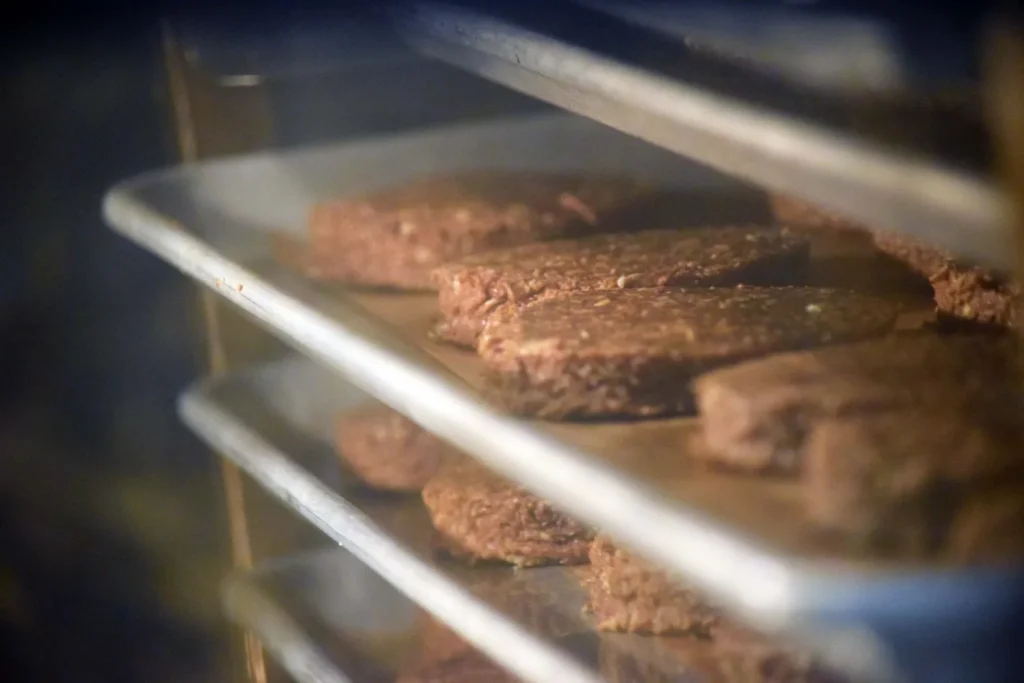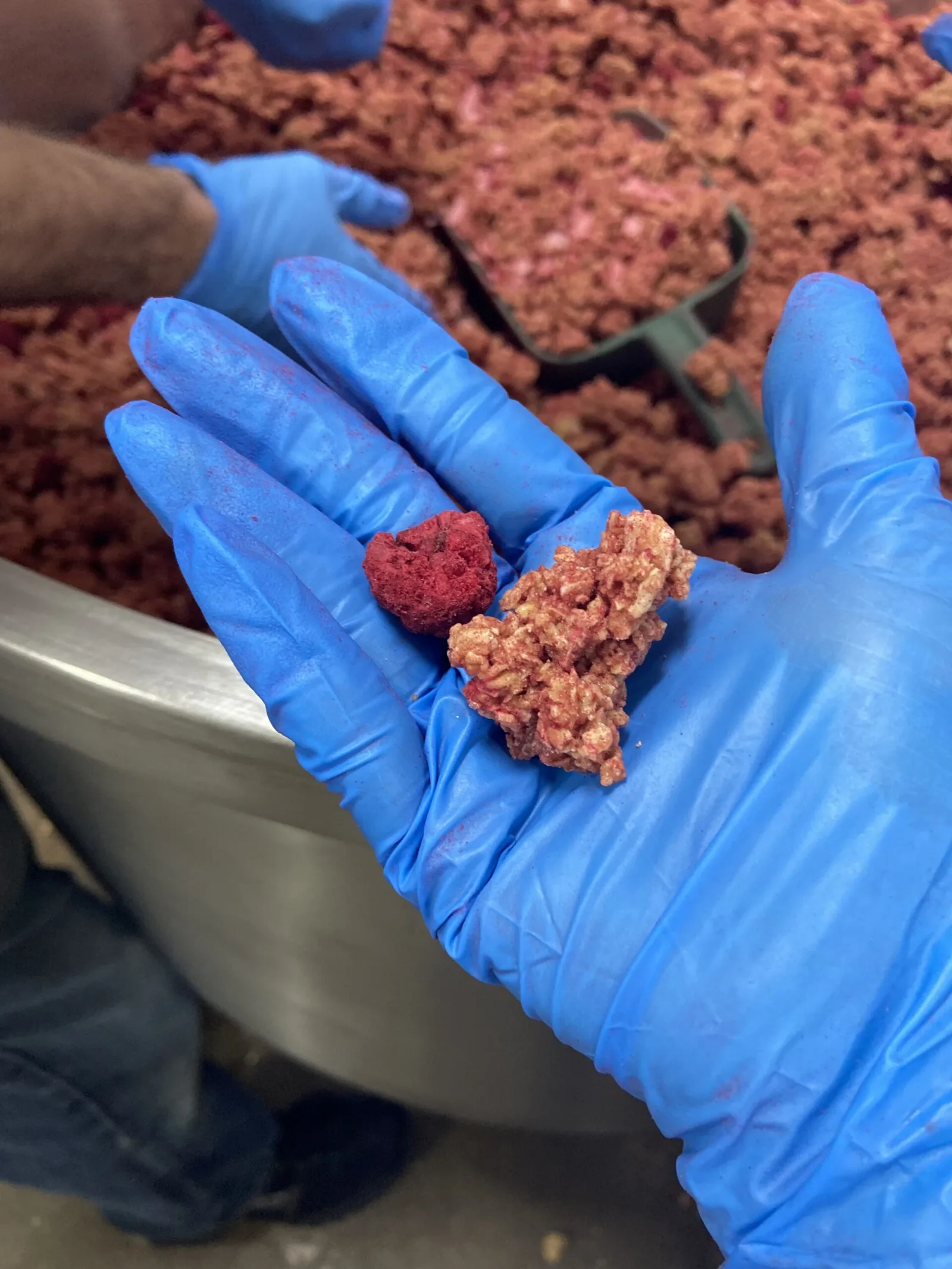
The Art of Food Product Development
Food product development is often described as a creative process. But for food startups and scaling CPG brands, the part that actually determines success or failure is operational. Most founders who struggle to scale do not have a formulation problem. They have a production readiness problem, a co-packer management problem, or a compliance infrastructure problem.
At Snackteva, we work with growing food and beverage companies. We have seen firsthand where product development breaks down in the real world: not at the whiteboard, but on the production floor, during audits, and in co-packer relationships that were never properly structured.
Where Food Product Development Actually Breaks Down
The standard food product development framework covers concept, formulation, testing, packaging, and launch. Those steps are real and necessary. But the operational gaps that derail scaling brands tend to appear in predictable places.
Production Readiness and Scale-Up Failures
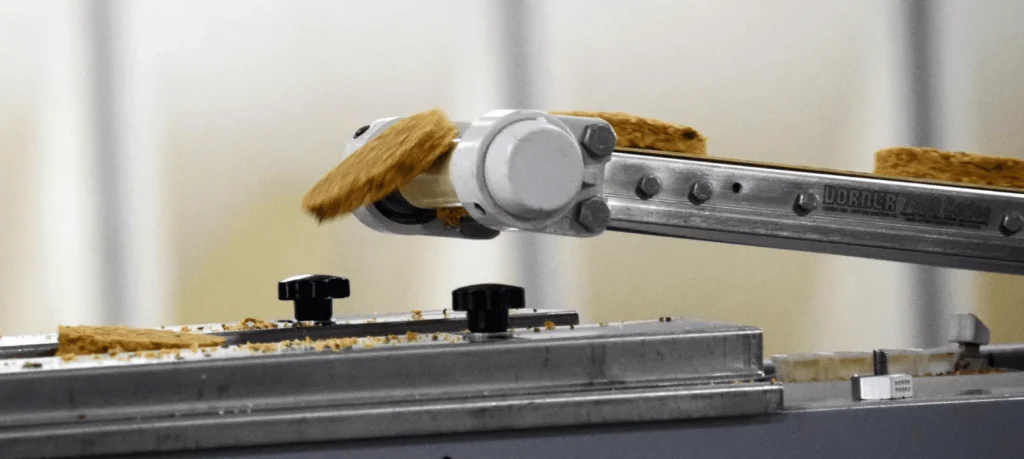
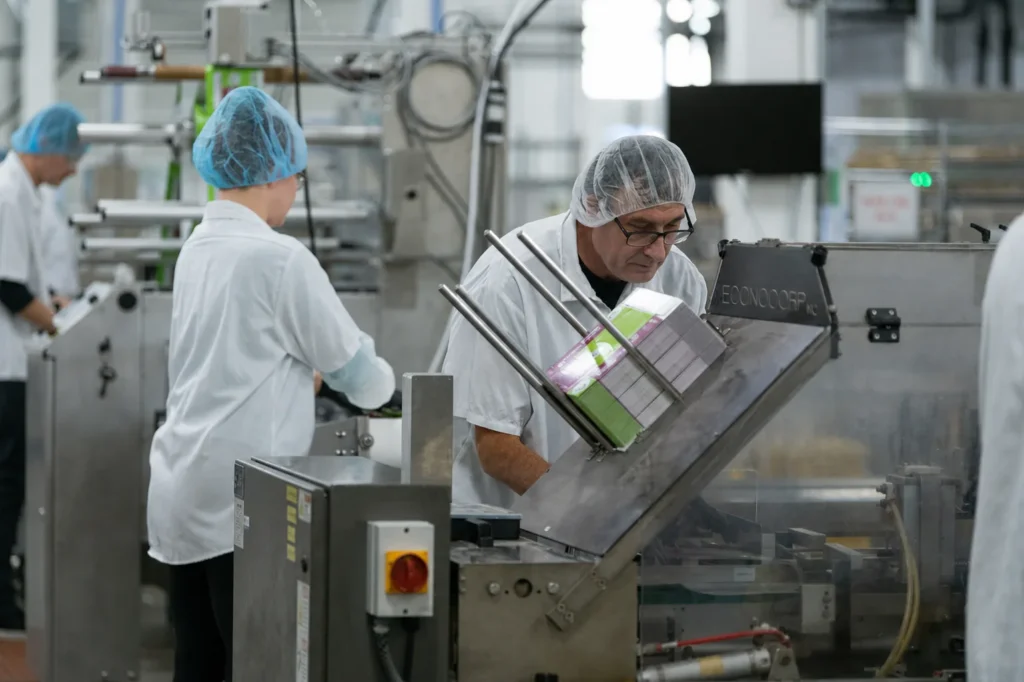
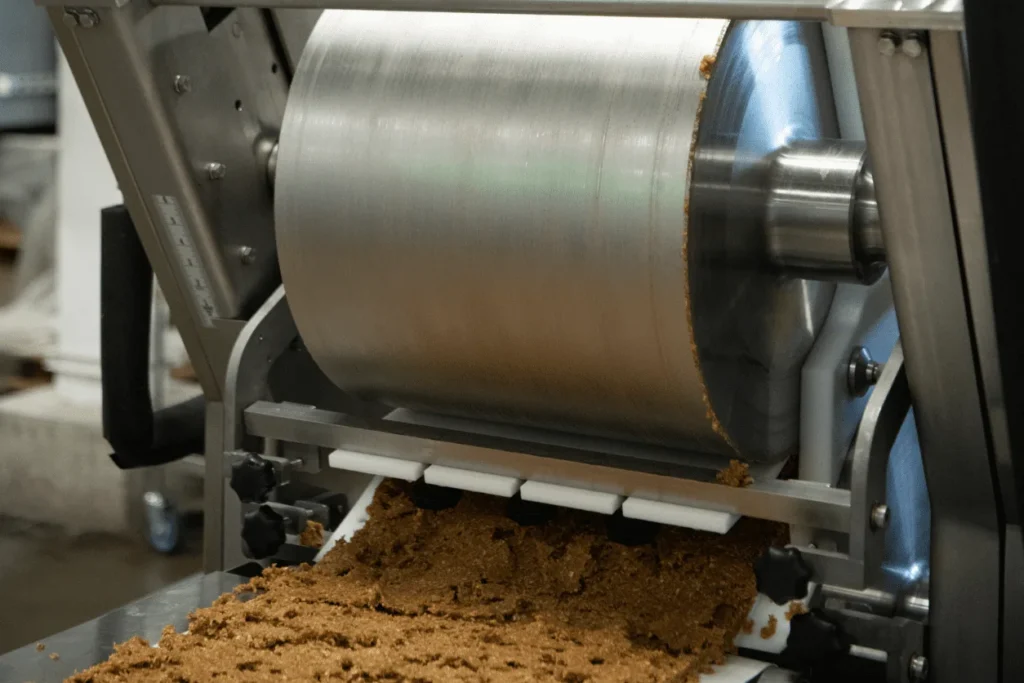
A formula that works in a pilot kitchen routinely fails at commercial scale. Ingredient sourcing constraints, equipment limitations, process variability, and yield losses can all collapse a product launch that looked solid on paper. Without someone who has stood on a production floor and scaled a line, these problems are nearly impossible to anticipate during development.
This is where experienced operational oversight changes outcomes. Before a product goes to a co-packer or your own facility, the production process needs to be validated, documented, and stress-tested.
Co-Packer Selection and Management
One of the most consequential decisions in product development is choosing who will manufacture your product. Many brands treat co-packer selection as a cost conversation when it should be a capability conversation. The wrong co-packer will cost you far more in defects, delays, and failed audits than the right one will cost in run rates.
Effective co-packer management requires clear specifications, documented quality standards, defined communication protocols, and ongoing performance oversight. Without these systems in place, you are dependent on your co-packer’s discretion rather than your own standards.
Compliance and Food Safety at Launch
Regulatory compliance cannot be an afterthought in product development. A HACCP plan, allergen controls, label compliance, and SQF or third-party certification requirements must be built into the development process, not retrofitted after launch. Brands that skip this step face costly reformulations, production shutdowns, and retailer rejections.
Every product Snackteva has helped bring to market has had compliance documentation built in from day one. It is not optional, and it is not as complex as it sounds when you have the right operational framework.
Cost Analysis and Margin Protection
Ingredient costs, packaging costs, co-packer run rates, minimum order quantities, and yield losses all compound in ways that catch founders off guard. A product that pencils out at 50 units per minute looks very different at 30 units per minute with 8% yield loss. Real cost analysis requires production data, not just purchase orders.
Building accurate cost models before committing to production infrastructure is one of the most high-leverage things a new founder can do. It protects margin and prevents the painful discovery that a product is profitable on paper but not in practice.
What Effective Food Product Development Looks Like Operationally
The brands that successfully scale treat product development as an operational project, not just a culinary one. That means:
- Supplier qualification and ingredient sourcing documentation established before commercial production
- Co-packer agreements with clear performance standards, specifications, and corrective action requirements
- Food safety plans validated against the production environment, not just written on paper
- Cost models built from actual production data with realistic yield and run rate assumptions
- Compliance documentation in place before the first retailer conversation
These are not glamorous tasks. They are the operational infrastructure that determines whether a great product actually becomes a scalable business.
How Snackteva Supports Product Development for Scaling Brands
As a food product development consulting partner for scaling CPG and snack brands, our capabilities span formulation and recipe development, but the heart of our work is building the operational systems that allow your product to move from concept to commercial production without the costly detours that derail most scaling brands. You can see this play out in our case study of a $10M snack brand that replaced tribal knowledge with documented systems.
Whether you are preparing to work with a co-packer for the first time, transitioning manufacturing partners, or preparing for an SQF audit ahead of a major retail launch, Snackteva brings nearly 30 years of hands-on food manufacturing experience to every engagement.
Ready to Get Your Product Launch Right the First Time?
If you are developing a new product or scaling an existing one and want to make sure the operational infrastructure is in place before you go to market, book a 20-minute call. We will tell you where the gaps are before they cost you.