How to balance competing goals in product development
Every scaling food brand runs into the same wall eventually: the goals that make a product great pull against each other. Better nutrition can hurt taste. Cleaner labels can shorten shelf life. Premium ingredients can wreck your margin. Optimizing a food product isn’t about winning on one of these — it’s about making deliberate trade-offs across all of them without letting any single goal quietly sink the others.
The brands that struggle usually aren’t making bad decisions in isolation. They’re making each decision without seeing how it ripples through the rest. Here is how the competing priorities actually interact, and how to balance them when you’re trying to build food products that can scale.
Nutrition
Consumers increasingly expect functional benefits, not just calories. The challenge is adding nutritional value — more protein, added micronutrients, functional ingredients — without wrecking taste or texture. Start with high-quality ingredients that carry their weight nutritionally, then protect the eating experience as you build the profile up. Nutrition gains that make the product taste worse rarely survive contact with real customers.
Taste
Taste is what decides whether someone buys your product a second time, so it usually wins ties. Natural flavors, spices, and seasonings do a lot of the work, but the real leverage is sensory science: understanding how flavor, texture, and aroma combine to drive acceptance. Test with real people early and often, because your own palate stops being objective fast.
Cost
Cost pressure touches every other decision on this list. It comes down to smart ingredient sourcing, labor-efficient processing, and a supply chain that isn’t leaking money. Predictive analytics can help here — spotting price trends, flagging cheaper qualified suppliers, and tightening production schedules — but the fundamentals matter first: know your true landed cost per unit before you optimize anything.
Shelf Life
Longer shelf life cuts waste, protects margin, and is often a hard requirement for distributors and retailers. The good news is you don’t have to trade it against clean labels anymore. Natural preservatives like mixed tocopherols (natural vitamin E) and rosemary extract extend life without hurting taste or nutrition, and nitrogen-flushing your packaging buys you time without touching the formula at all.
Processing Constraints
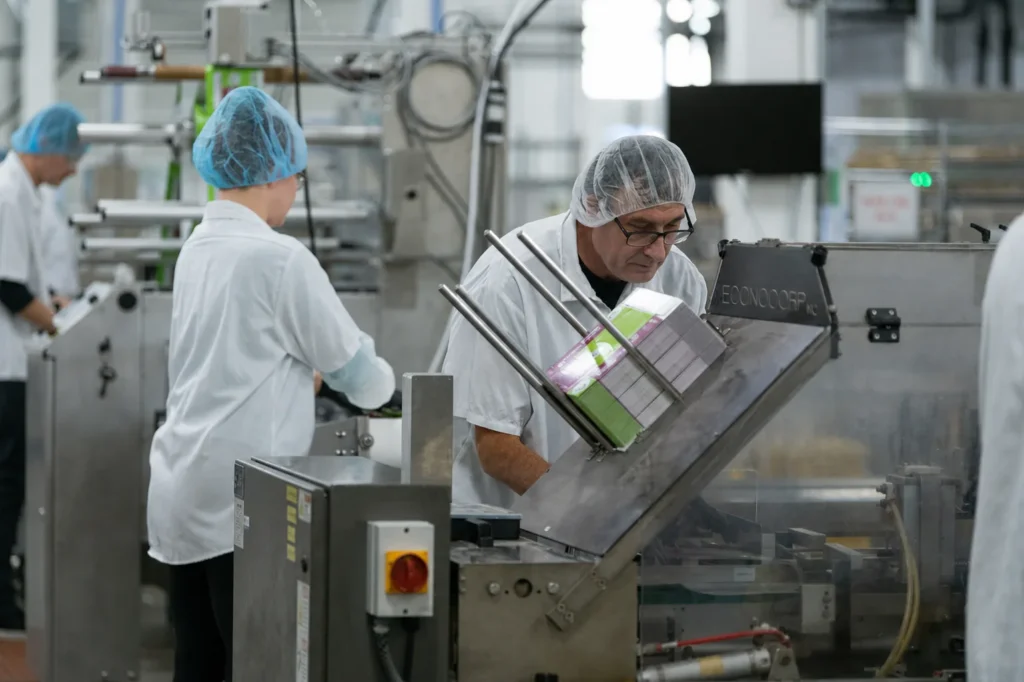
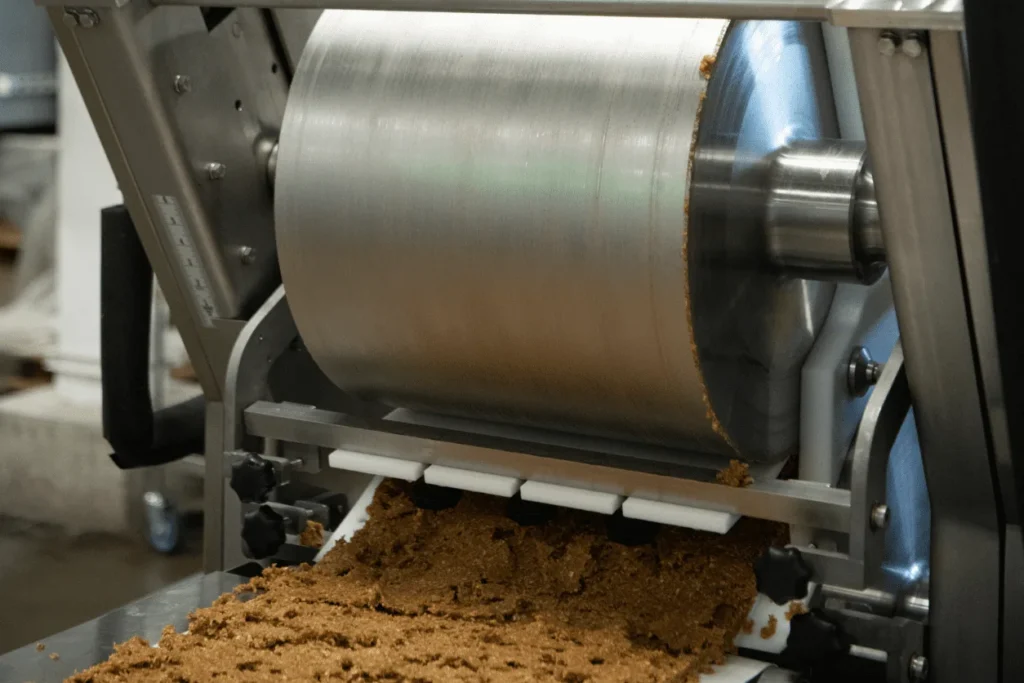
Your formula has to survive your line. Equipment limits, energy use, food safety, sanitary design, and waste all shape what’s actually producible at volume — and a recipe that works in a test kitchen can fall apart on a co-packer’s floor. Build processing reality into product decisions early, before you’ve fallen in love with something you can’t make consistently.
Ingredient Availability
Ingredient supply shifts with seasons, geopolitics, and weather, and it can change fast. If a key ingredient has a single source, one disruption stalls your whole production. Diversifying your supplier base — and qualifying backups before you need them — is what lets you react in days instead of scrambling for weeks.
Certification Requirements
Certifications like organic, Fair Trade, and non-GMO open doors, but they come with strict ingredient sourcing and processing rules. Earning and keeping them takes regular audits and a transparent, well-documented supply chain. This is one area where an experienced operator saves you real time, because the complexity is easy to underestimate until you’re mid-audit.
Balancing It All
Balancing competing goals in food product optimization isn’t a one-time decision — it’s an ongoing discipline. A few things make it manageable: lean on emerging technology in processing, packaging, and supply chain to buy efficiency; bring in people who genuinely understand sensory and nutritional science rather than guessing; diversify your ingredient sources so you’re never held hostage by one supplier; keep your sourcing and processing transparent enough to earn both certifications and customer trust; and use data to anticipate costs and market shifts instead of reacting to them.
Do that consistently and these trade-offs stop feeling like a tug-of-war and start feeling like a system — one that lets you scale a product that’s nutritious, great-tasting, affordable, and built to last on the shelf.