Real World Painful Lessons: How a Recall Nearly Killed BumbleBar
There’s a moment in every founder’s journey when the thing you’ve built comes within inches of disappearing. For us, that moment came in the early 2000s, in the form of a transposed SKU number, a nationwide food product recall, and our brand splashed across the FDA website and CNN. I was young and just had my first baby. We had no money, no equipment, and we were suddenly facing a copacker that was conservatively 200 times our size. BumbleBar should have died right there. This is the story of why it didn’t.
How We Got There
My wife Liz started BumbleBar the way a lot of food companies start. She rented time in a commercial kitchen in Seattle. You book your slot, you show up with your ingredients, you work fast, you clean up, you leave. It’s how countless food entrepreneurs get going and it’s absolutely brutal. But she made it work.
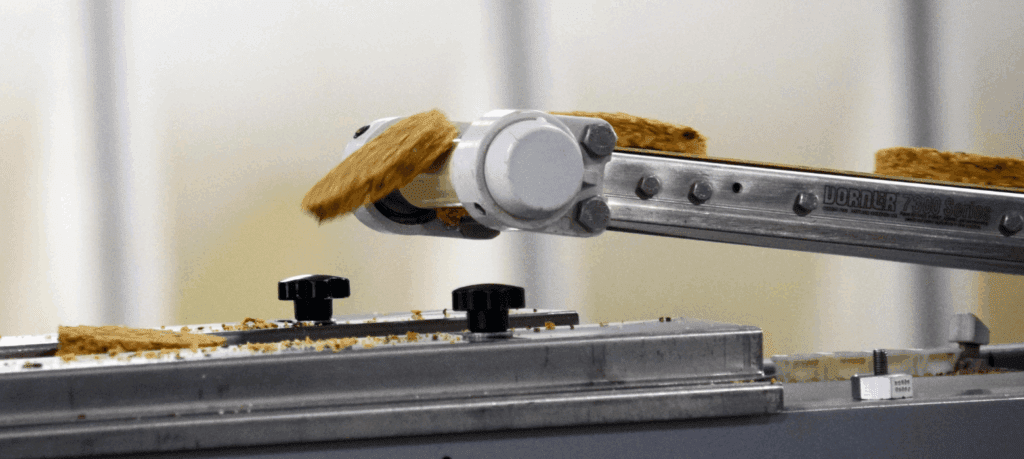
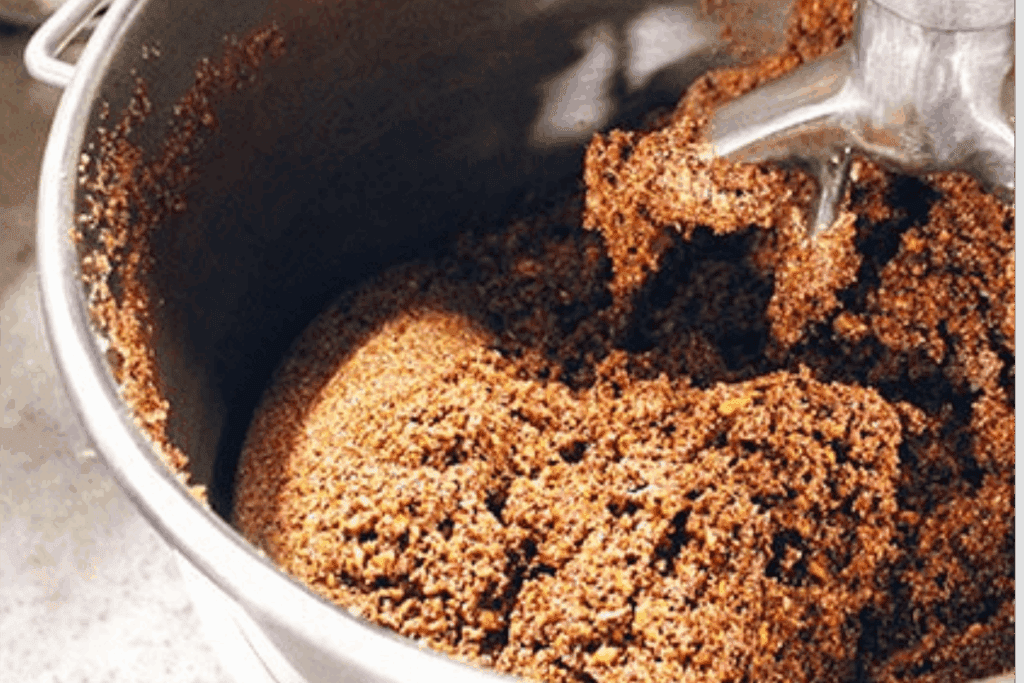
Eventually we moved to Vashon Island and rented this tiny 300 square foot kitchen. It was ours. We could control the environment and actually start building something that felt like a real operation. This is where Liz learned how demanding our process really was. The binder had to be heated to an exact temperature. The dough had to be pressed to a precise thickness. And honestly, our equipment wasn’t executing the thickness consistently. It was a constant physical challenge we wrestled with. We knew every finicky detail of what it took to make our product right.
The Copacker’s Promise
When a copacker approached us, they were confident. They’d looked at our process, our equipment, our volumes. They invited us into their facility and told us they could make our product without a problem. We had reservations. We knew how particular the process was. But the opportunity to scale without the capital burden of building out a larger facility ourselves was appealing.
They offered to buy our equipment at five cents per bar credit against future production. Seemed reasonable. We shipped everything to them.
Liz rented this cool little office in what used to be a rose growing greenhouse on Vashon. We were going to focus on sales and marketing and growth while the copacker handled production. For a few months things were bumpy but manageable. Learning curve, we figured. Then came the call.
The Food Product Recall
Someone transposed a SKU number. That’s all it was, just digits in the wrong order. But those wrong digits meant dairy chocolate got put into our vegan chocolate bars. For a brand built on trust with the natural foods community, this was catastrophic.
Customers who bought our vegan bars were people with dietary restrictions, ethical commitments, allergies. We had betrayed that trust. It wasn’t our hands on the production line but it was still our name on the package.
The food product recall went nationwide. About 8,000 bars affected. In the grand scheme of food recalls that’s tiny. But in those days it was enough to make front page news on the FDA’s recall website. CNN picked it up. MSNBC covered it. BumbleBar was suddenly visible for all the wrong reasons.
Liz was devastated. She’d poured years of her life into this and now she was watching it potentially unravel. She thought her baby was doomed. I looked at the same situation and saw something completely different.
The Opportunity Nobody Saw
The organic and natural foods market was just emerging. There were considerable headwinds facing this nascent industry. Skepticism from mainstream retailers, consumer education challenges, supply chain immaturity. And here we were, this tiny company from Vashon Island, suddenly getting national media coverage.
Yes, it was for a recall. But I realized if we handled this flawlessly we could actually come out ahead. The media was already paying attention. If we executed the recall at a level that made BumbleBar look like a major, professional brand instead of a small hippie operation scrambling to survive, we could gain credibility we never could have afforded to buy.
The food product recall could become our national introduction.
The problem was execution. We had no money. Our equipment was sitting at the copacker’s facility. We had no leverage. And we were up against a company that absolutely dwarfed us. And I was 27 with zero experience dealing with anything like this.
The Letterhead
I started cold calling law firms in Seattle. I had no idea what I was doing but I knew we needed legal representation to have any negotiating power. Somehow I got a partner at a major, well established firm on the phone. He listened to my story and gave me the honest truth: you can’t afford us.
I figured that was the end of the conversation. But then he said something unexpected. He said look, you’re this little hippied out business on Vashon Island. I can’t take you on as a client. But I can connect you with a new associate who basically just passed the bar. She’ll cost you substantially less than using me or a real attorney. And here’s the thing. You can correspond with the copacker on our letterhead.
That letterhead changed everything.
I drafted a letter to the copacker making demands that, looking back, were audacious for a company our size. I demanded they run the recall as if it were their own product. Full PR agency engagement, consumer hotline, the complete professional recall playbook. Even though only 8,000 bars were affected I wanted it executed at a level that would make BumbleBar look like a Fortune 500 brand. And I demanded they return our equipment.
When the copacker received that letter on a prestigious Seattle law firm’s letterhead, the whole tenor of the negotiations changed instantly. Suddenly we weren’t a tiny company they could push around. We were a tiny company with serious legal representation that might make this situation very expensive for them.
They agreed to our terms.
The Rebuild
I drove a U-Haul to their facility and picked up our equipment. We found a space in Tacoma and set up a production facility. We were back to self manufacturing. Exactly where we’d started, but now with the hard won knowledge of what happens when you lose control of your process.
The recall played out exactly as I’d hoped. The copacker ran a professional campaign. Consumer hotline, proper PR, textbook execution. To anyone watching from the outside, BumbleBar looked like a company that had its act together during a crisis. We looked like we belonged on the national stage.
We self manufactured in Tacoma for five years. We ended up on the Food Network. We eventually achieved distribution in over 85% of all natural food sets throughout the country. In many ways that food product recall, the thing that should have killed us, is really how BumbleBar became a national brand.
What I Took Away From This
I still think about this experience all the time. A few things have stuck with me.
Your food product recall plan needs to be buttoned up before you need it. When crisis hits there’s no time to figure out your response strategy. You need a plan that’s documented and ready to go. Who makes the calls? What’s the communication chain? Who handles media? How do you notify retailers? These questions need answers before the phone rings.
You have to know your process better than your copacker does. We knew our product was finicky. We knew the temperature sensitivity, the thickness challenges. When the copacker assured us they could handle it without a problem, we had doubts but we didn’t trust our instincts enough. If you know your process has quirks that make it difficult, that knowledge is telling you something.
You need people on your team who can handle crisis under pressure. Panic is contagious. So is calm. When Liz saw doom, I saw opportunity. Not because I’m smarter, but because we brought different perspectives to the same situation. You need people who can think clearly when everything is falling apart, who can see angles and possibilities when the obvious narrative is catastrophe.
Sometimes the worst moment is actually your biggest opportunity. This one is hard to internalize because it feels almost disrespectful to the gravity of crisis. But it’s true. How you handle disaster defines your brand more than how you handle success. We were a tiny company that executed a recall with the professionalism of a major brand. That reputation carried us forward for years.
And finally, relationships and resources you think you can’t afford might still be available. That law firm partner had no business reason to help us. But he did. Because our story was compelling, because he had an associate who needed experience, and because sometimes people just decide to help. Ask for what you need. You might be surprised who shows up.
Looking Back
We were a hippie business on an island making organic snack bars before organic was mainstream. We had no right to survive a nationwide recall, let alone thrive because of one. But we did.
The experience taught me that crisis is a revealer. It reveals what your brand is actually made of. It reveals who on your team can perform under pressure. It reveals whether your systems and plans are real or just theoretical. And sometimes, if you’re clear eyed enough to see it, crisis reveals opportunity hiding in plain sight.
Your recall plan matters. Your crisis team matters. Your ability to stay calm and strategic when everything is on fire matters. Build those muscles before you need them. Because someday you will.